Research
Phenotypic variation is the raw material for evolution. Revealing how this diversity is generated and maintained is key to explain the emergence of species, species assemblages, and organismal responses to environmental change. To understand the mechanisms behind phenotypic variation and how this is reflected in functional ecology and diversity, I use a multidisciplinary approach, combining biogeography, field-based experiments, and genomic analyses.
Animal coloration
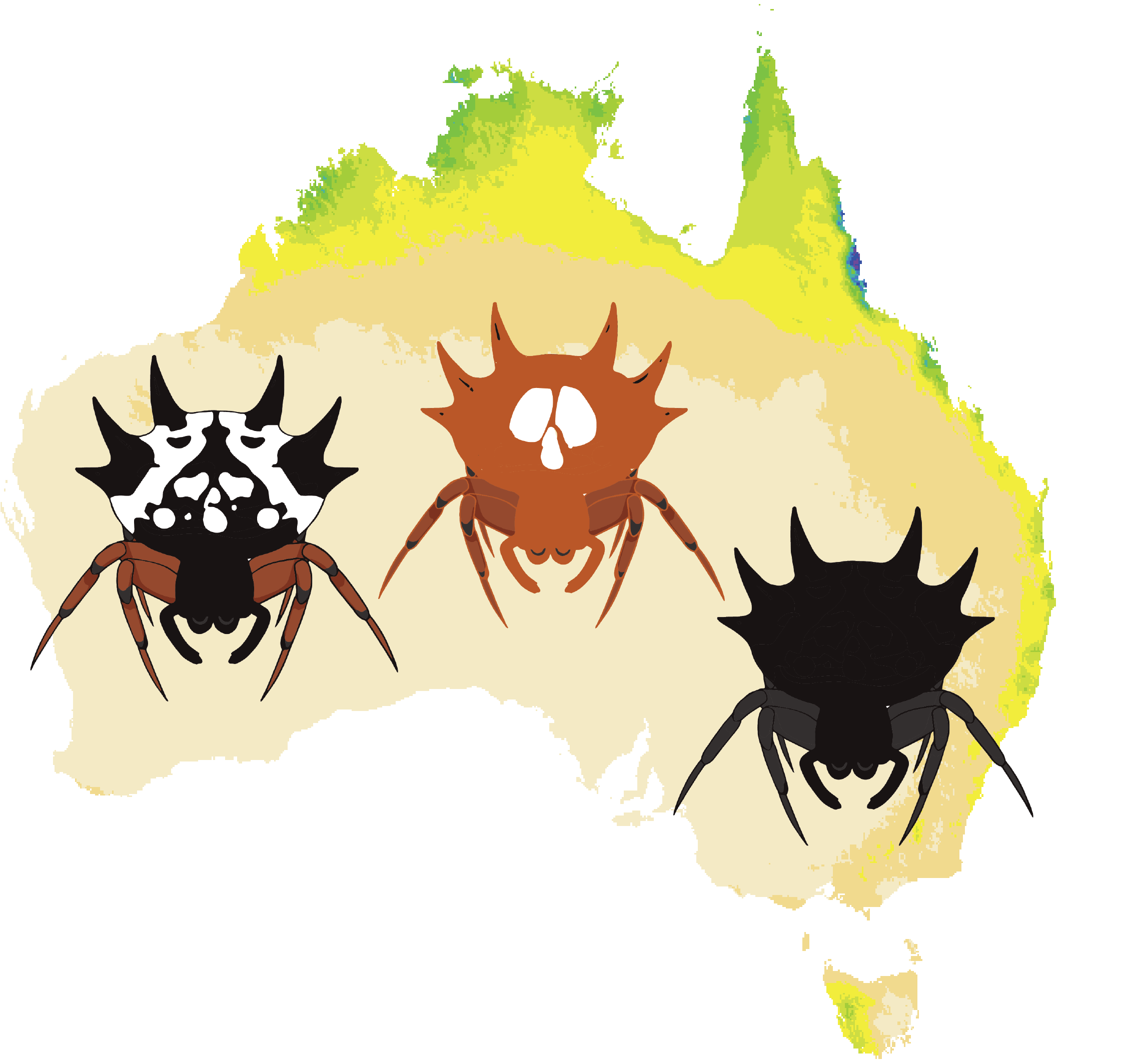
The existence of multiple forms within a single population is one of the clearest examples of biodiversity. Studying how this diversity arises and persists has deepened our understanding of many ecological and evolutionary processes. Among these traits, colouration stands out as a classic example—a visually engaging and biologically informative marker for investigating how variation within populations shifts over time and across environments. I study colourful arthropods, especially web-building spiders, using ecology, genomics, and comparative analyses to understand phenotypic variation
Genetic connectivity across the landscape
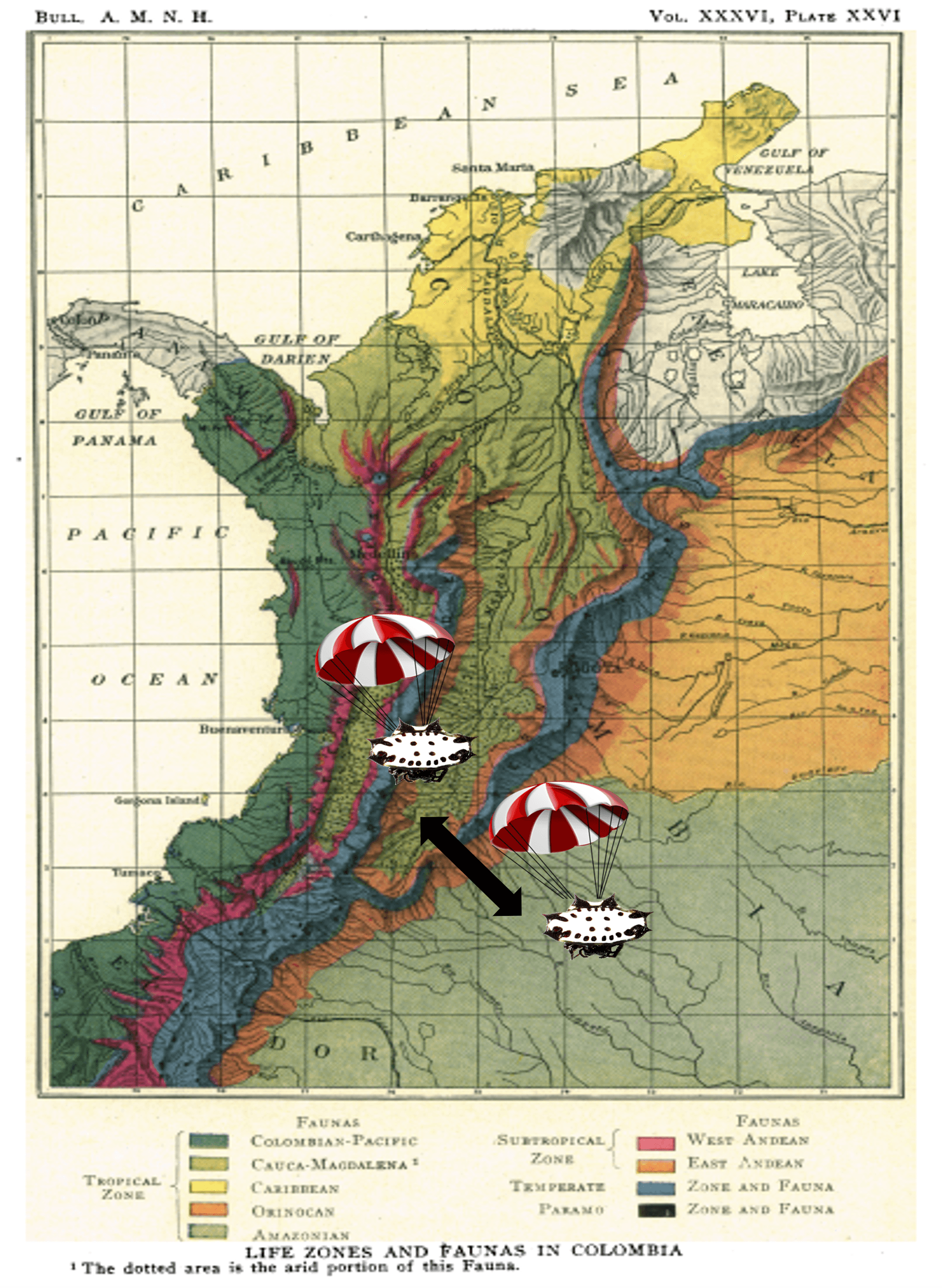
Geographical barriers like mountain ranges impede genetic exchange among populations, promoting diversification. The effectiveness of these barriers in limiting gene flow varies between lineages, depending on each species' dispersal modes and capacities. However, our understanding of how geographic barriers contribute to species diversification comes mostly from well-studied vertebrates and a few arthropods and plants—overlooking organisms that cannot fly or walk long distances. I study arthropods, especially spiders, to explore how mountains promote diversification in lineages with distinct dispersal modes, such as long-distance dispersal via ballooning (i.e., using silk to catch and ride air currents).